


Get in touch
Work location
B-810/811, World Trade Tower (WTT), Makarba, Sarkhej Gandhinagar Highway, Ahmedabad,
Gujarat, India, 380015

Social link

You don’t need to rebuild a product to make it smarter. You need the right feature, wired into the interface users already trust, shipped in stages so nothing breaks along the way.
AgentDesk is a multi-agent task assistant we added to an existing team’s inbound workflow. It reads incoming work the way a person would, routes it to the right specialist agent, takes action inside the tools already in place, and knows when to stop and hand a task to a person instead of guessing. The risk it’s built to avoid: an agent confident enough to act on everything is also confident enough to act on the thing it shouldn’t have.


The team’s inbox and ticketing tools could log incoming work, but nothing decided what to do with it. A single bolt-on agent either stayed rigid, handling only what its script anticipated, or got broad autonomy and eventually acted on something ambiguous or high-stakes inside tools the team depended on every day.

AgentDesk adds a multi-agent layer on top of the existing tools instead of replacing them. Each agent owns a narrow part of the task, confidence is checked at every handoff, and anything uncertain is escalated to a person inside the tools they already use. The system handles volume; a person handles judgment.
This service works inside a codebase and a team that already exist. The first job is finding the moments where AI actually saves someone time (not every feature needs it), then building just those features so they fit the product rather than sitting on top of it. AgentDesk was reviewed against the team’s existing ticketing and inbox tools, then added as an orchestration layer that plugs directly into them. It connects through a clean backend, keeps context across the whole conversation, and rolled out behind a flag to a handful of queues before it touched every incoming task.
Most of the path is automated. The one step that isn’t, the confidence check, is the one the whole system is built around. Every stage runs inside the inbox, ticketing system and CRM the team already uses.

A task is read from the existing inbox or ticket queue and classified: what kind of task it is, what it’s asking for, and which agent should handle it.

LangGraph manages control flow between agents. Routing is decided per task, so a task can move between agents as it develops.
Each agent gathers information, drafts a response or updates a record inside the systems the team already uses.
At each meaningful step, the system evaluates whether it has enough certainty to proceed. A deliberate checkpoint, not an afterthought.
Where confidence is low, the task goes to a person with the relevant context attached, in the queue or inbox they already monitor.
The outcome is written back to the same system of record the team used before AgentDesk existed.

Control flow between agents is graph-based rather than a linear script, so the path a task takes depends on what it actually needs.

Every agent’s output is checked against a confidence threshold before it’s treated as final. Low confidence routes to escalation.

When a task escalates, what the system understood, why it wasn’t confident and what it would have done travels with it.

Each agent has a narrow responsibility, which keeps its behavior easy to reason about and adjust without affecting the rest.

A task handed to a person doesn’t dead-end. Once a decision is made, the system picks it back up and continues from where it left off.

AgentDesk connects to the inbox, ticketing system or CRM through their existing APIs. The team keeps the interface they already know.

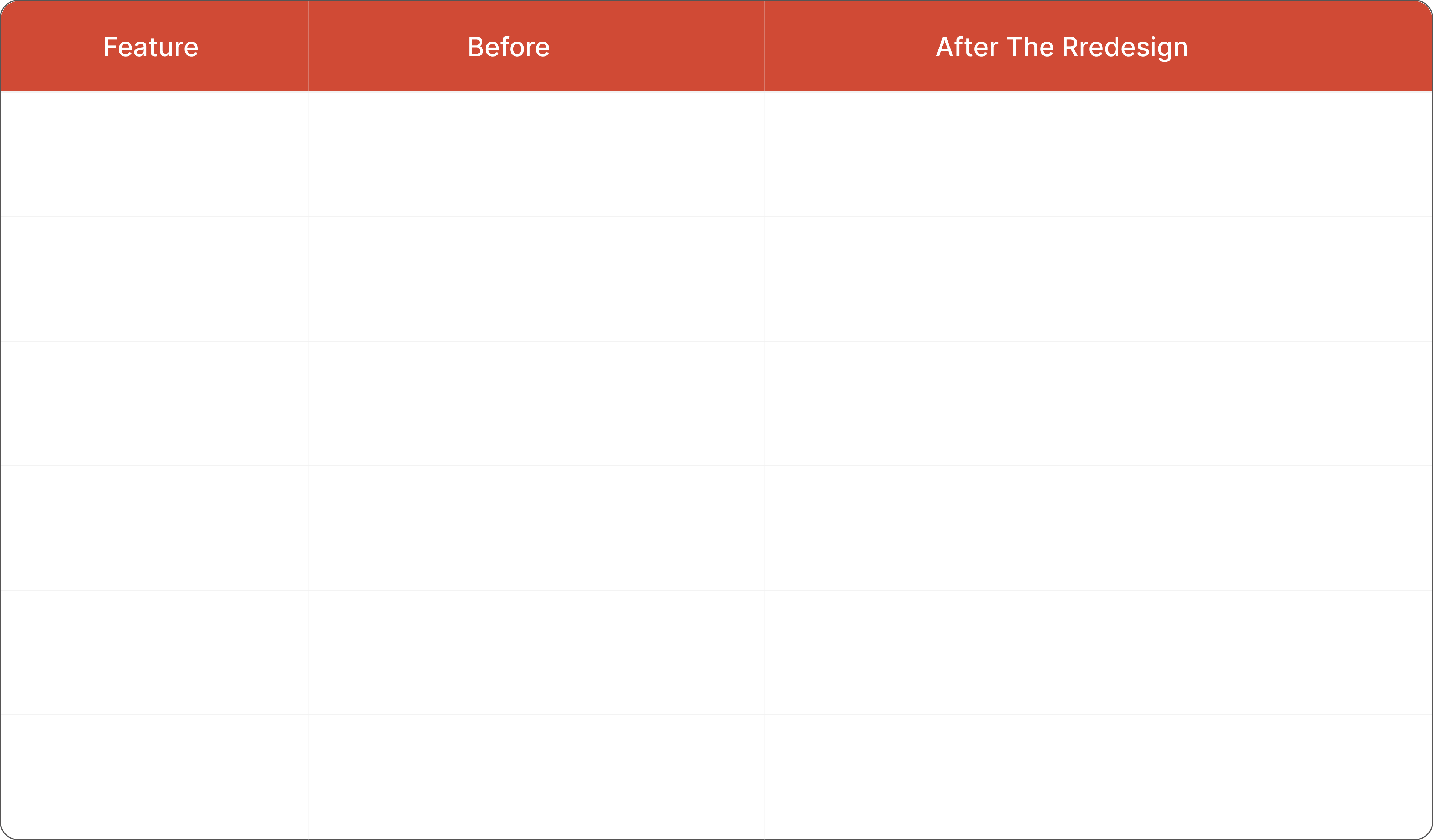
The aim was to automate everything safe to automate and route the rest to the right person. Here is how the team’s workflow differs with AgentDesk in place.
Reviewed the team’s inbound workflow to find the moments worth automating, and the ones that should stay with a person.
Studied the inbox, ticketing and CRM APIs already in place, so the agents could work underneath them rather than beside them.
Gave each agent one narrow responsibility, coordinated by a LangGraph orchestration layer instead of a single general-purpose bot.
Added a deliberate certainty check at every meaningful step, so low confidence routes to a person rather than to output.
Made sure escalated tasks carry what the system understood and why it stopped, and resume automatically after a decision.
Released to a handful of queues first, then to every incoming task once behavior held up on live work.



