What Changed
From an Open Question to a Ranked, Defensible Plan
The aim was a decision a leadership team could defend, not a list of possibilities. Here is how the outcome differs from where most teams start.
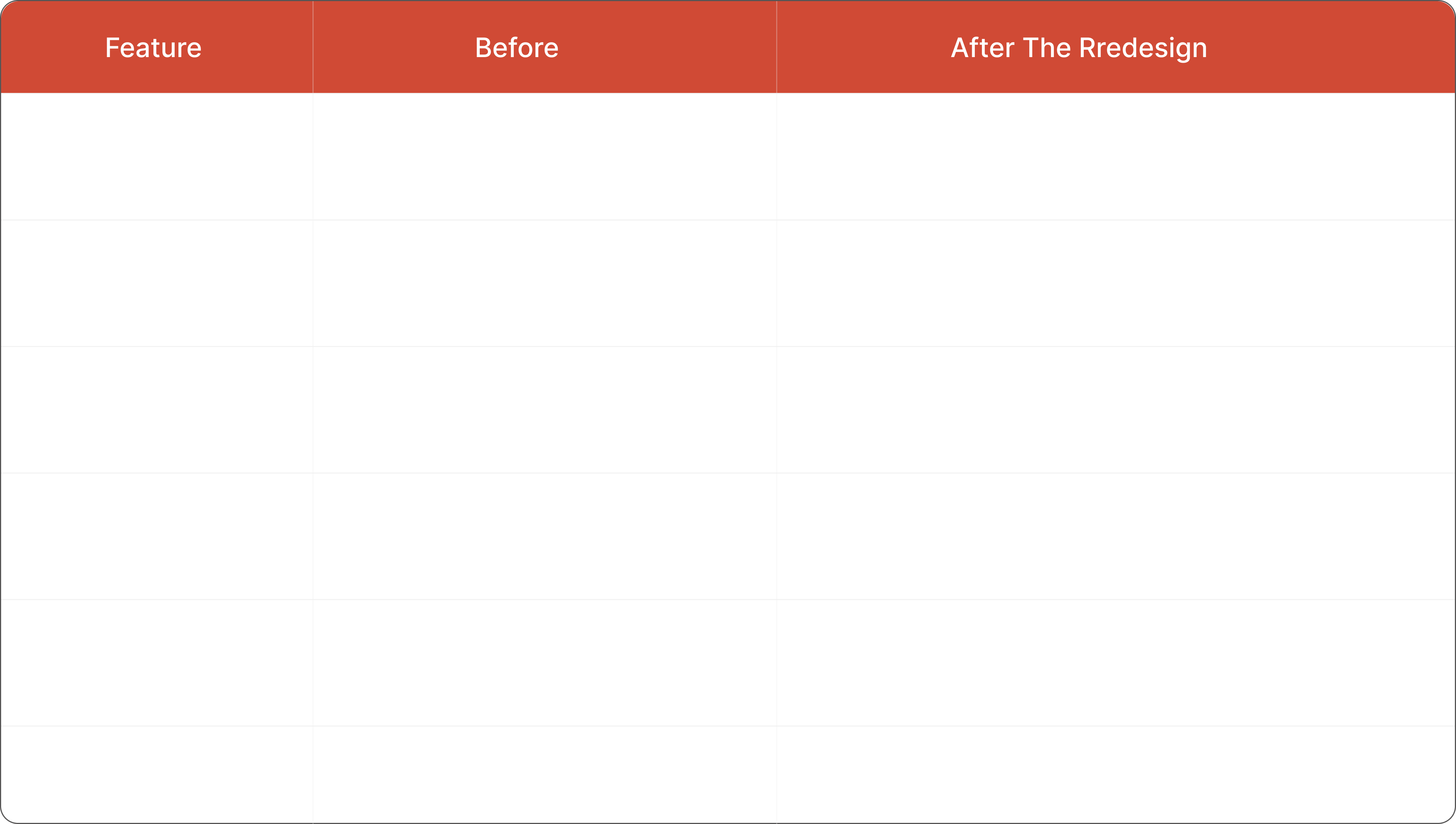
The aim was a decision a leadership team could defend, not a list of possibilities. Here is how the outcome differs from where most teams start.
The first question is never “where could AI go?” but “what are you about to decide, and what would make it defensible?”
The people running a process describe the real one, including the workarounds, which is usually where the opportunity is.
Collapsing them into one number hides the trade-off. High impact with low feasibility is a different conversation from the reverse.
Ideas we recommend against are listed with the reason, so the same suggestion doesn’t return in six months with nothing learned.
Value alone surfaced work the client had no capacity to start. Readiness became a scoring dimension, not a footnote.
Priorities, effort and tool recommendations are written so any competent team can pick them up. The build is a separate decision.
